Back-to-school season can feel like a budget tornado. Just when you’ve recovered from summer activities, here comes the avalanche of supply lists, clothing requests, tech upgrades, and activity fees.
Last year, I nearly fainted when I totaled our spending for our kids. It was more than our monthly grocery budget. That was my wake-up call to get serious about finding ways to cut costs without cutting corners.
Over the past few years, I’ve tested strategies that have saved my family hundreds of dollars each school year. Whether your child is just starting kindergarten or heading into high school, these tips can help you shop smarter, plan ahead, and take the stress out of back-to-school season.
Plan Like a Pro Before You Spend a Dime

1. Take Inventory First
One Saturday last summer, I had my kids help me round up every pencil, notebook, and glue stick hiding in the house. We found enough supplies to cover half our shopping list, and it saved us $43 instantly.
Quick Budget Hack:
- Create a “supply central” spot for all school items.
- Sort through backpacks, desks, and drawers before making purchases.
- Use a checklist to track what you have versus what you need.
- Take quick photos of your inventory to reference while shopping.
2. Set a Realistic Back-to-School Budget
Without a budget, small purchases add up fast. Break your budget into categories:
- Supplies: 25–30% of your total
- Clothing: 40–50% for younger kids, less for teens with established wardrobes
- Technology: 15–20% (more if a big purchase year)
- Activities and fees: 10–15%
For our family, that means $200 for elementary school, $300 for middle school, and $400–$500 for high school. Adjust based on your child’s needs and your financial comfort zone.
3. Involve Kids in the Process
When my daughter wanted a name-brand backpack, I showed her the total budget and let her decide where to cut. She chose a more affordable option so she could have extra clothing money.
Ideas to try:
- Show older kids real numbers and let them help allocate funds.
- Give younger children small choices within your budget.
- Create a “wants vs. needs” chart together.
- Let kids earn extras by helping find deals or contributing their own money.
Smart Shopping Strategies That Actually Work

4. Time Your Purchases
Timing can mean the difference between full price and 75% off.
Worth Trying:
- Shop during your state’s tax-free weekend.
- Buy basic supplies in late July or early August during big sales.
- Wait until mid-September for better clothing deals.
- Shop for coats in October or November.
- Look for electronics sales around Labor Day.
I keep calendar reminders for each type of purchase so we never miss the best deals.
5. Use Price Matching and Cash-Back Apps
My phone has become one of my best school shopping tools.
Apps to try:
- Ibotta: Cash back on select items and stores.
- Rakuten: Percentage-based cash back for online purchases.
- RetailMeNot: Coupon codes plus cash-back offers.
Pro Tip: Stack savings by using a cash-back app on sale items, adding a coupon code, and paying with a rewards card. I earned nearly $75 last year just from scanning receipts.
6. Shop Secondhand for Big Savings

Some items are worth buying used. My son’s graphing calculator would have cost $120 new, but we found one in perfect condition for $45 on Marketplace.
Best secondhand finds:
- Calculators and electronics (always test first)
- Sports equipment and instruments
- High-quality coats and boots
- Name-brand clothing
Where to look:
- Facebook Marketplace and buy/sell groups
- Local consignment stores
- ThredUp for online deals
- School parent groups for uniforms and gear
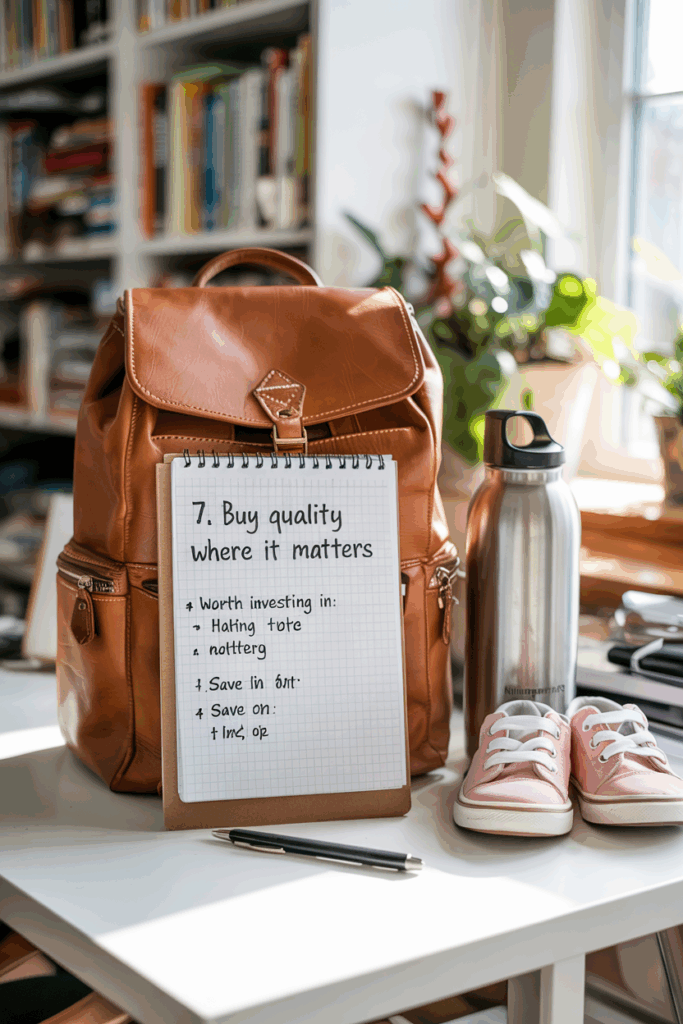
7. Buy Quality Where It Matters
Cheaper isn’t always better. After buying three backpacks in one year, I learned my lesson.
Worth investing in:
- Backpacks (lasts 2–3 years)
- Leak-proof water bottles
- Shoes for growing feet
- Reliable laptops or tablets (when needed)
Save on:
- Basic folders and notebooks
- Trend-based items kids will outgrow quickly
- Items used rarely or for one project
Clothing and Supply Hacks Every Mom Should Know
8. Create a Capsule Wardrobe
Instead of buying piles of new clothes in August, focus on 5–7 bottoms and 7–10 tops in a coordinated color palette. Everything mixes and matches. Add a couple of new pieces each season. This approach cut our clothing budget by nearly 40%.
9. Host a Supply Swap

Last August, I invited neighborhood moms over for coffee and a “supply swap.” We all brought extras, traded freely, and left with what we needed — at no cost.
How to set it up:
- Start a quick Facebook event or group chat.
- Sort items into categories.
- Include outgrown clothes or sports gear.
- Make it a tradition each semester.
10. DIY and Upcycle School Gear
When my son called his lunchbox “too babyish,” we added stickers instead of replacing it.
Ideas to try:
- Add iron-on patches to backpacks.
- Decorate notebooks with fabric markers.
- Personalize water bottles with waterproof stickers.
- Clip on keychains for a fun, inexpensive upgrade.
Managing Technology and Activity Costs
11. Save on Tech Requirements
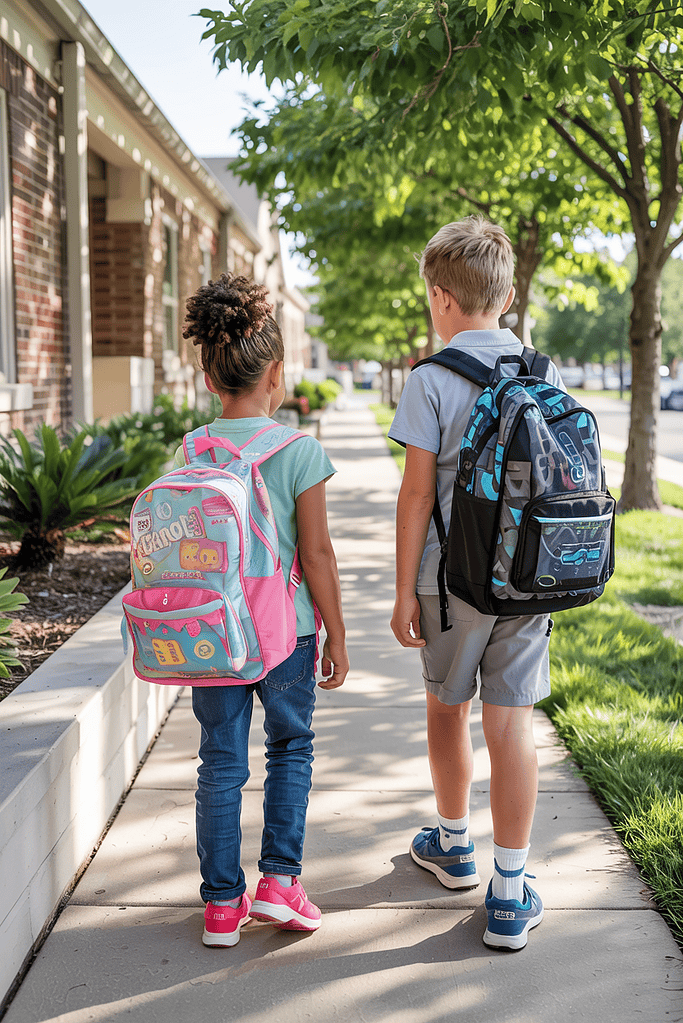
Check school requirements before buying. You may not need the most expensive model.
Money-saving tech tips:
- Look for certified refurbished models with warranties.
- Ask about school loan programs or discounts.
- Consider Chromebooks for younger students.
- Check your employer for corporate discounts.
12. Keep Activity Costs Low
Extracurriculars can quickly outpace supply costs.
Ways to save:
- Use community center classes (50–75% cheaper).
- Ask schools about activity scholarships.
- Take advantage of multi-child discounts.
- Volunteer as a coach or assistant for reduced fees.
- Opt for seasonal sports over year-round commitments.
13. Save on Lunch and Snacks
School lunches for three kids can easily top $1,500 a year in our district.
Pro Tip: Create a “lunch station” in the fridge so kids can help pack their own meals.
Other ideas:
- Batch prep on Sundays.
- Invest in quality containers to avoid replacements.
- Use dinner leftovers for next-day lunches.
- Allow school lunch once a week as a treat.
Long-Term School Savings
14. Create a Year-Round School Fund
School expenses pop up all year — field trips, projects, sports fees, and more.
How to make it work:
- Add up last year’s total costs.
- Divide by 12 and transfer that amount monthly into a separate account.
- Include big-ticket items like prom or graduation for older kids.
This simple habit keeps our budget on track year-round.
15. Team Up with Other Parents

Collaborating with other parents can save money and time.
Ideas to try:
- Organize carpools.
- Share driving schedules for activities.
- Buy supplies in bulk and split costs.
- Share subscriptions to educational resources.
- Pass down uniforms and sports gear.
The Bottom Line
Even small changes can add up to big savings. Last year, we cut our back-to-school spending by nearly 40% — saving more than $500 across three kids — using these strategies.
And the best part? The stress is gone. Back-to-school season now feels exciting instead of overwhelming.
What’s your favorite money-saving tip? Share it in the comments, and download my free Back-to-School Budget Planner to track your savings this year.
For more budget-friendly family tips, check out my post on How to Meal Plan on a Budget.
✅ RankMath Meta Title:
15 Back-to-School Budget Tips That Will Save You Hundreds
✅ Meta Description:
Save hundreds on school supplies, clothes, tech, and activities with these 15 back-to-school budget tips for families.
✅ Post Tags:
back to school savings, school shopping hacks, family budget tips, parenting on a budget, money saving tips for moms
✅ Suggested Category:
Family Budgeting
If you’d like, I can now create Pinterest pin overlays and Ideogram prompts for this post so it’s ready for your marketing workflow.
Do you want me to do that next?
 English
  Español