Do your special needs kids need activities that both calm and engage them during the changing seasons? Fall sensory bins offer the perfect combination of seasonal fun and sensory input that many children with autism, ADHD, and sensory processing differences crave.
As a mom who’s tried countless activities with my own sensory-seeking child, I’ve gathered our family’s most successful fall sensory bin ideas that actually hold attention and provide meaningful play.
These simple bins use materials you likely already have or can easily find, and they’re designed specifically with neurodivergent children in mind.
Each one offers different sensory experiences while celebrating the colors, textures, and themes of autumn.
1. Autumn Leaves Exploration Station

Fill a large plastic bin with dried leaves collected from your yard or neighborhood. Add magnifying glasses, child-safe tweezers, and small containers for sorting leaves by color, size, or shape.
The crinkly sounds and varied textures make this bin especially appealing for tactile sensory seekers.
For children who love categorizing, add a simple sorting chart with leaf shapes or colors.
The natural materials provide a grounding sensory experience while connecting children to seasonal changes in a hands-on way that’s much more meaningful than just talking about fall.
2. Pumpkin Spice Sensory Rice
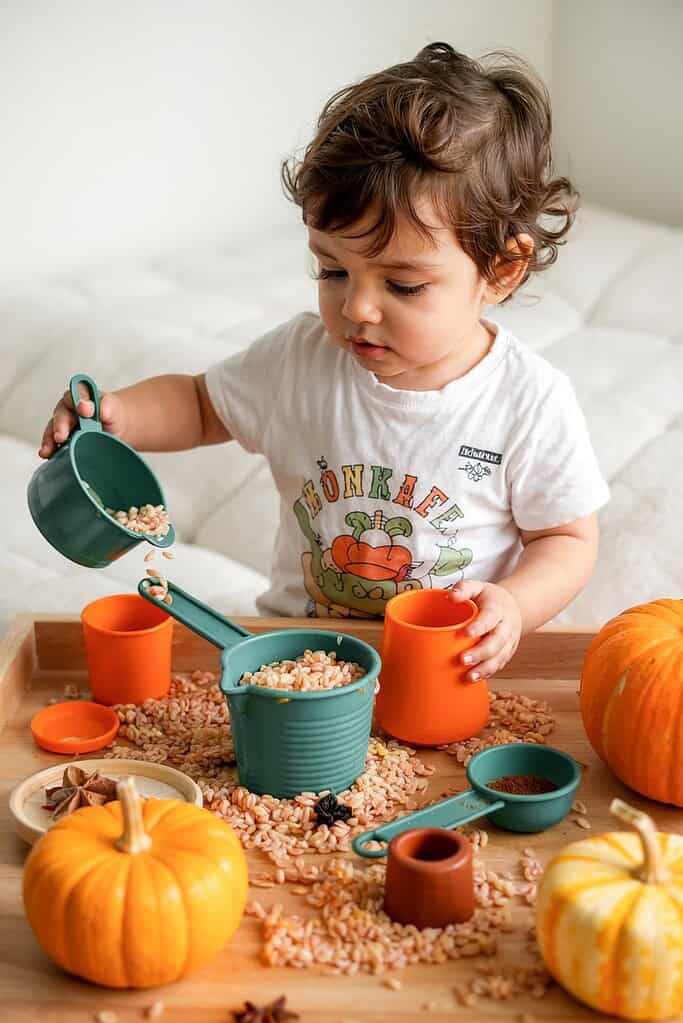
Dye rice orange using food coloring and vinegar (let it dry completely), then add a sprinkle of pumpkin pie spice for a delightful autumn scent. Include small pumpkins, measuring cups, funnels, and scoops.
The aromatic rice provides both tactile and olfactory sensory input.
Many special needs children find repetitive pouring and scooping activities deeply regulating.
The weight of the rice provides proprioceptive feedback that can help with body awareness and calm an overwhelmed nervous system.
3. Apple Orchard Sensory Play
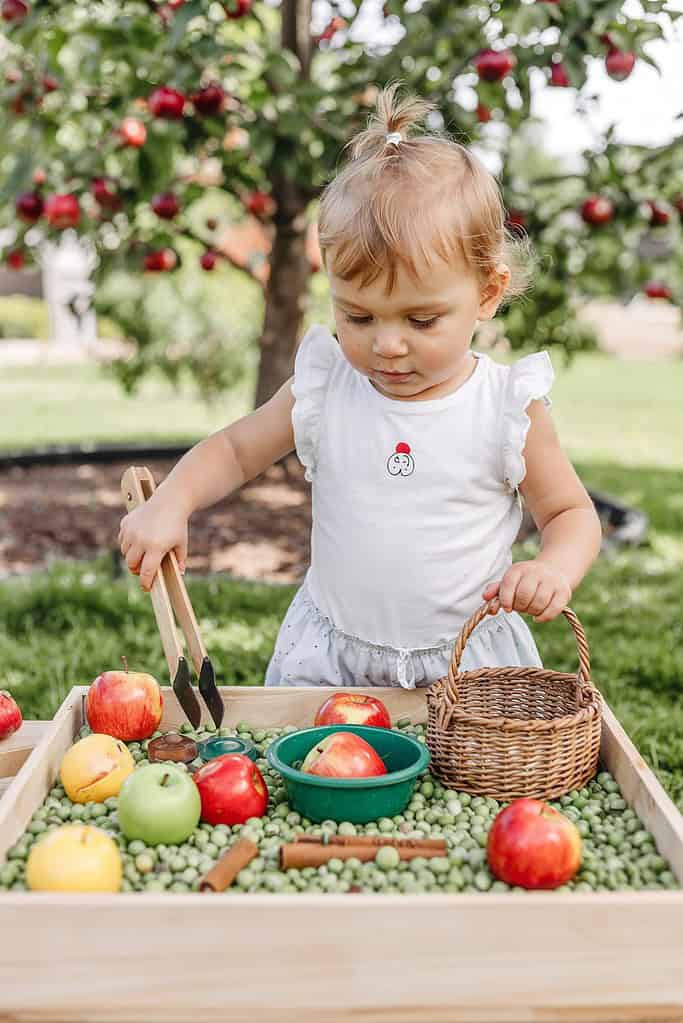
Create a miniature apple orchard using green split peas as the base. Add small plastic or wooden apples, tiny baskets, and tongs for “picking” the apples.
Include cinnamon sticks for additional sensory interest and authentic orchard scents.
This bin combines imaginative play with sensory input, making it perfect for children who need support with pretend play scenarios.
The fine motor practice of picking up apples with tongs helps develop skills that may be challenging for some sensory-seeking children.
4. Corn Sensory Bin with Hidden Treasures

Dried corn kernels create a unique tactile experience with their smooth, cool texture. Fill a bin with corn kernels and hide small farm animals, miniature pumpkins, and autumn-colored gems throughout.
The weight and sound of the corn provides excellent proprioceptive and auditory input.
Pro Tip: Place a sheet under this bin for easier cleanup, as corn kernels tend to bounce. For children who struggle with unexpected sensory experiences, demonstrate how the corn feels and sounds before inviting them to explore.
5. Acorn and Pinecone Nature Bin
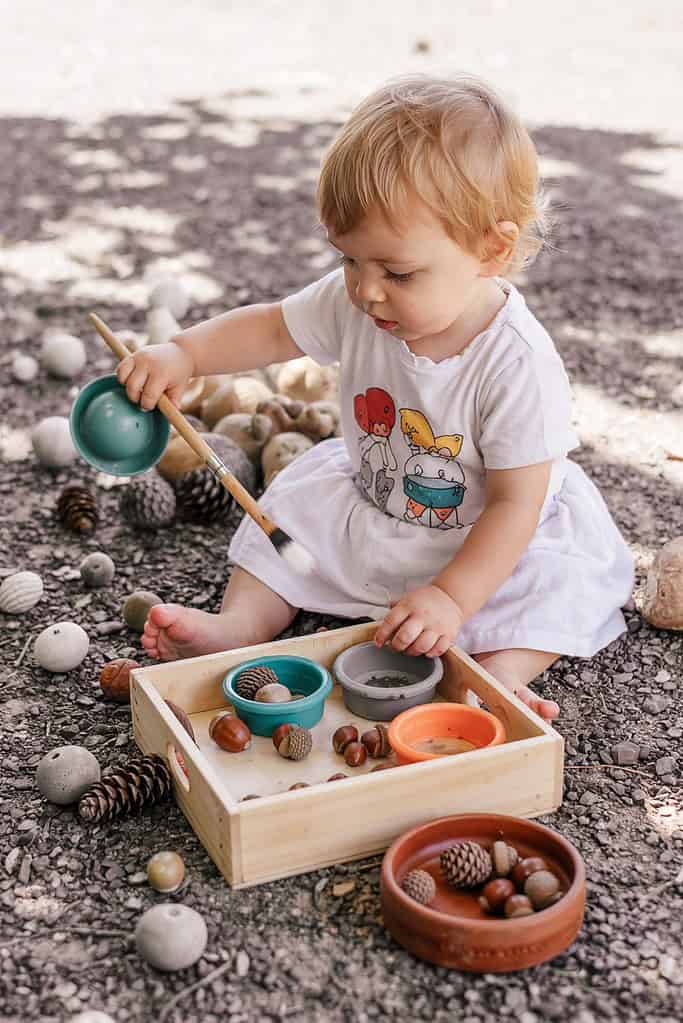
Gather acorns, pinecones, small sticks, and pebbles for a nature-based sensory experience. Add sorting bowls, magnifying glasses, and paintbrushes for cleaning and examining the treasures.
The varied textures appeal to tactile-seeking children.
This bin connects children to the natural world while providing opportunities to practice sorting, counting, and observation skills.
For children who enjoy collecting, this can become an ongoing project as you add new natural items throughout the season.
6. Harvest Sensory Soup

Fill a bin with water colored with a drop of orange or yellow food coloring. Add small gourds, scoops, funnels, and ladles.
This wet sensory play option is perfect for children who seek deep pressure through water play.
The pouring and mixing activities provide a rhythmic, regulating experience.
For children with special needs who resist getting their hands wet, offer kitchen tongs or waterproof gloves as alternatives that still allow participation in the sensory experience.
7. Pumpkin Guts Sensory Experience
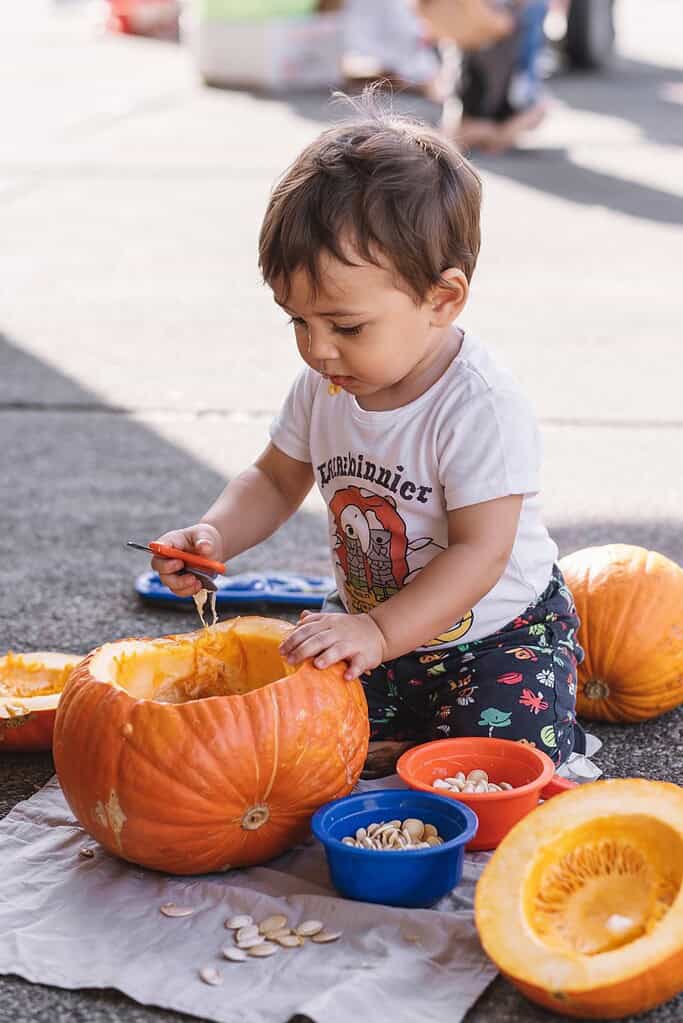
After carving pumpkins, save the insides for sensory play!
The stringy, slimy texture offers a unique tactile experience that’s perfect for desensitizing touch-sensitive children or providing intense sensory input for those who seek it.
Add tweezers for seed removal, bowls for sorting, and measuring cups for scooping.
This messy play opportunity builds tolerance for varied textures in a fun, seasonal way.
For kids with sensory sensitivities, start with just the seeds before introducing the stringy pulp.
8. Fall Playdough Invitation
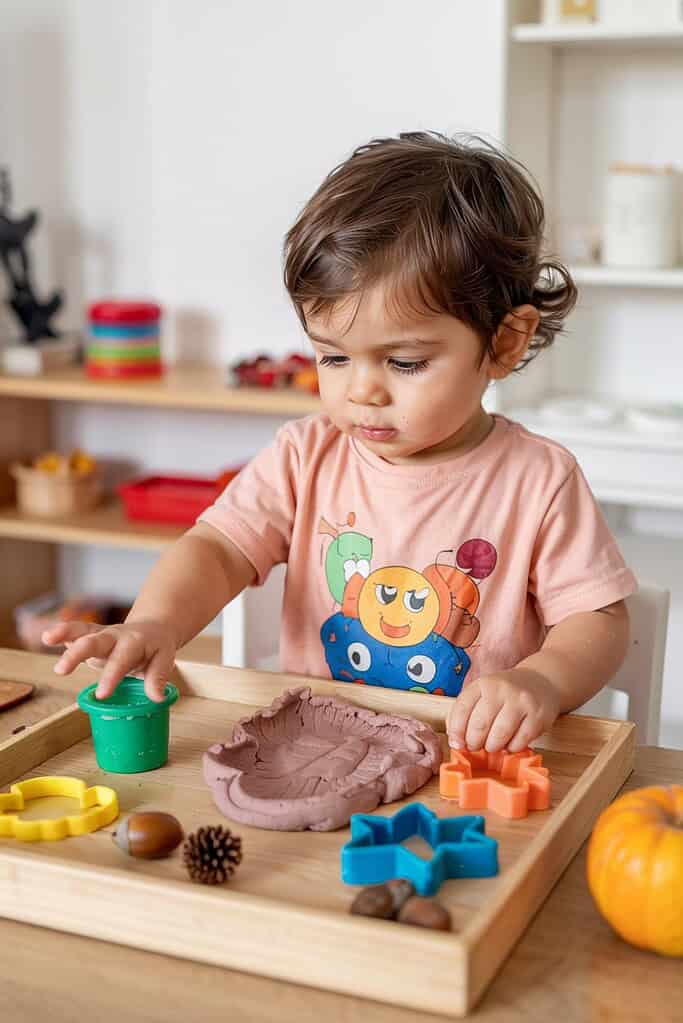
Create autumn-scented playdough using cinnamon, nutmeg, or apple pie spice.
Set up a tray with the playdough, leaf-shaped cookie cutters, acorns, and pinecones for pressing into the dough.
The resistance of the playdough provides excellent proprioceptive input.
Many special needs children find the deep pressure of kneading and squeezing playdough extremely calming.
The predictable cause-and-effect of making imprints can help with emotional regulation during transitions or challenging times of day.
9. Crinkly Scarecrow Sensory Bin
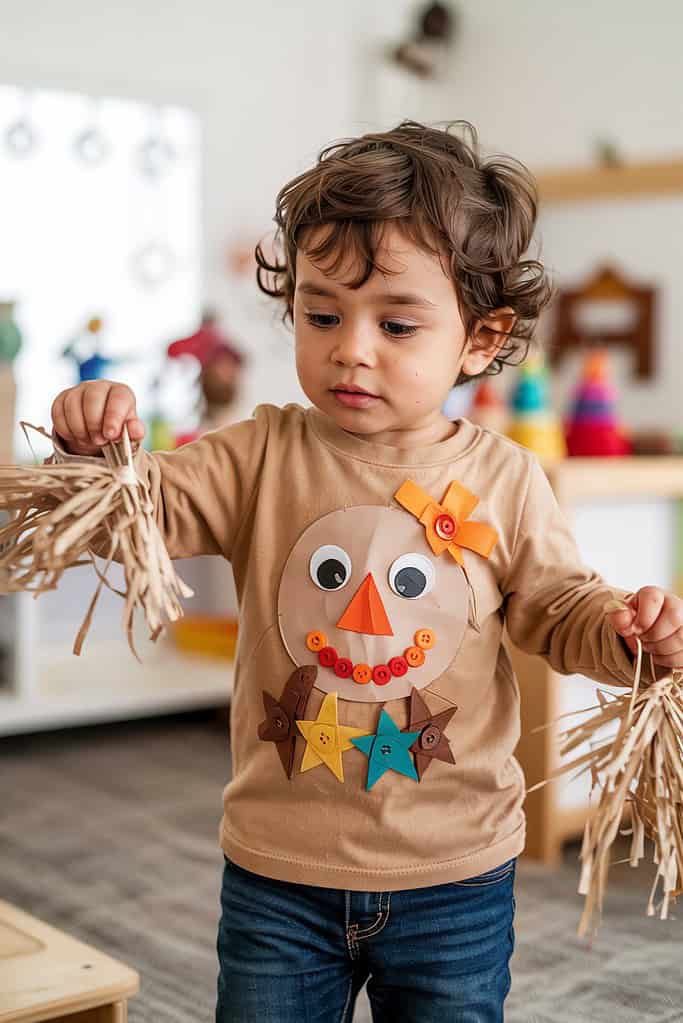
Fill a bin with raffia or shredded paper in fall colors, then add fabric scraps, buttons, and other materials to create scarecrow faces.
The varied textures and crinkly sounds make this bin especially appealing to children who seek auditory input.
This bin combines sensory exploration with creative expression, allowing children to make choices and create something unique.
For kids who prefer structured activities, you can provide a simple template or picture of a scarecrow as a guide.
10. Apple Cider Scented Cloud Dough

Mix 8 cups of flour with 1 cup of oil, add apple cider spices, and include apple-shaped cookie cutters and small cups.
The unique texture of cloud dough provides resistance when squeezed while remaining moldable for creative play.
This sensory material is particularly good for children who need calming tactile input but are sensitive to wet or sticky textures.
The consistent texture and pleasant scent create a predictable sensory experience that many children with special needs find comforting.
Conclusion

Fall sensory bins offer more than just seasonal fun they provide crucial sensory input that helps special needs children regulate their bodies and emotions.
By incorporating your child’s specific sensory preferences into these activities, you can create moments of engagement that support their development while building positive associations with the autumn season.
Remember to follow your child’s lead and adjust the materials based on their comfort level.
Which of these fall sensory bins do you think your child would enjoy most?
Pin this post to save these ideas for your next sensory play session!
 Español
  English